

Thanksgiving: Love Wild Horses Foundation Proposes 2027 Rewilding Initiative
News originally published by
EIN Presswire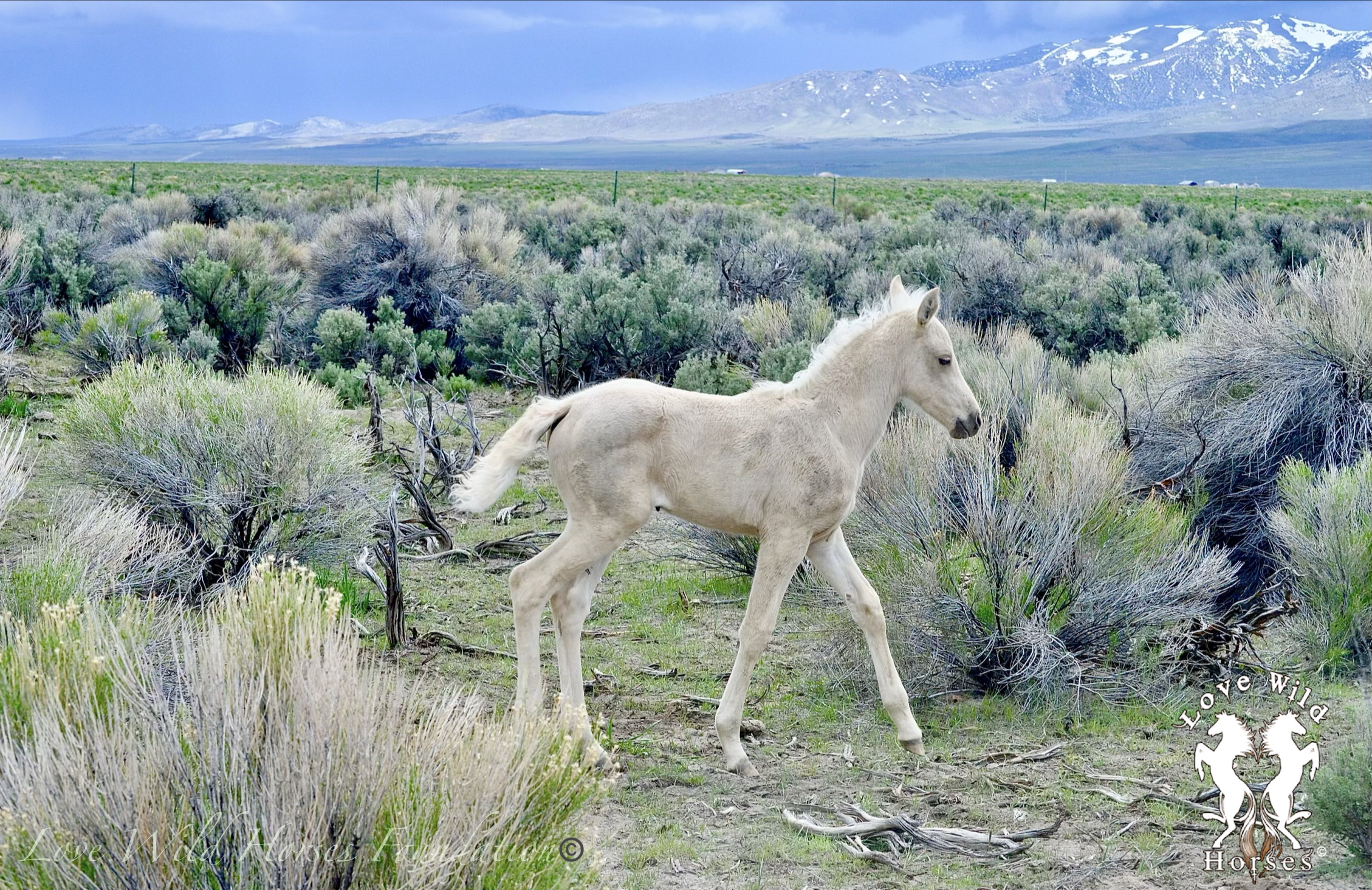
🐎💞 Born to Run FREE! Meet Woyawasté, one of three precious foals whose mothers were saved from slaughter and rewilded! Now running free at LWHF’s Nevada Water, Fire & Land Resilience Project—where hope runs wild!

Protecting New Life, Preserving Freedom! Devoted mares shelter their precious foals in Wyoming, where native wild horses thrive through LWHF’s partnership with the Oha’ Mopae Warrior Society—nurturing new generations, restoring the land and keeping freedom alive!
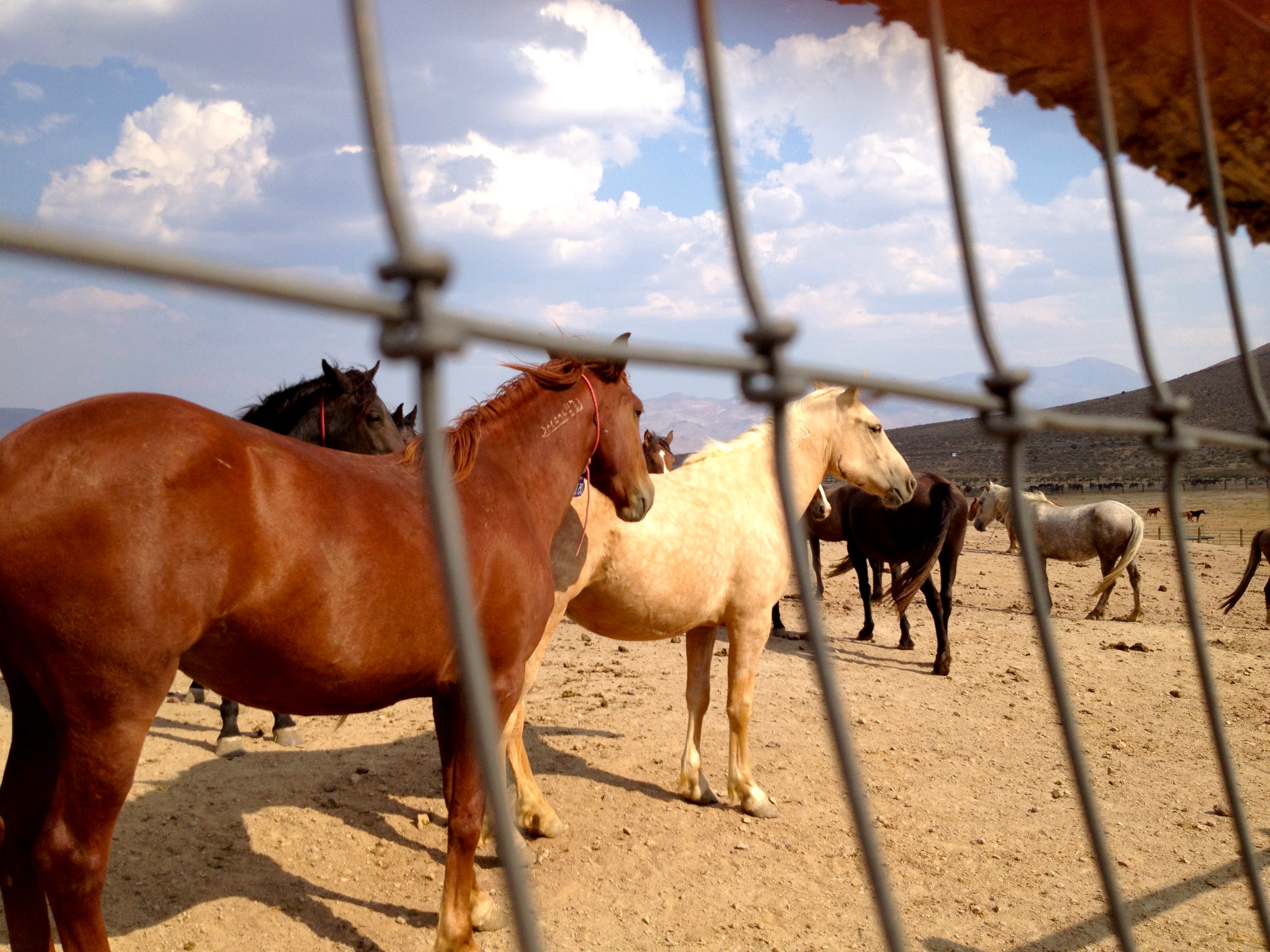
Captured, Confined, Awaiting Freedom! Tens of thousands of magnificent wild horses in BLM holding, awaiting adoption and vulnerable to slaughter. America’s precious wild horses deserve a second chance: rescue, rewilding, and freedom!
In the Year of the Fire Horse, a rock star, Oglala-Lakota chief and nonprofits call to rewild 27,500 captive wild horses and burros to help SAVE the Wild West.
The Foundation invites the nation to envision an extraordinary Thanksgiving gift to the magnificent landscapes of the West: GIFTING wild horses and burros back to the lands they once freely roamed—with opportunities to restore wildlife habitats, native flora and fauna, regenerate precious biodiversity, strengthen natural wildfire resilience, and help protect surrounding communities.
This Thanksgiving falls within the Year of the Fire Horse (February 17, 2026–February 5, 2027), part of the traditional Chinese zodiac's rare 60-year cycle, associated with freedom, independence, courage, energy, and transformation. For LWHF, these qualities symbolize a new chapter in wild-horse conservation and ecological restoration.
Wild Horses, Western Landscapes, and a Growing National Cost
Wild horses are dying during federal removals, in government holding facilities, and after entering the slaughter pipeline.
A peer-reviewed study published in the Journal of Equine Veterinary Science examined federal wild-horse and burro roundup reports from 2010 through 2019, documenting 368 deaths associated with captures, including 364 wild horses and four burros. The study provides a historical measure of roundup-associated mortality, although it does not represent a complete nationwide death count for the most recent decade or include all deaths occurring after animals entered long-term holding.
An August 2026 New York Times investigation also documented federally protected wild horses entering livestock markets associated with slaughter buyers following Bureau of Land Management (BLM) sales, raising questions about safeguards after federal custody.
According to the Animal Welfare Institute, 25,128 American horses were exported to Mexico and Canada for slaughter in 2025. This nationwide figure includes horses beyond the federally protected wild-horse population.
Meanwhile, BLM reported approximately 58,025 wild horses and burros in off-range holding as of May 2026**.
The public cost is significant. According to the Congressional Research Service, federal off-range holding expenditures reached approximately $101.4 million in fiscal year 2024, accounting for about 66% of the BLM's wild-horse and burro program obligations that year.
Beyond the cost of captivity, Western communities face the economic and ecological consequences of destructive wildfires, including property losses, emergency response expenses, damaged watersheds, wildlife habitat disruption, and the long-term costs of land recovery.
LWHF's proposal connects these national challenges through a conservation strategy exploring how returning wild horses and burros to protected landscapes could support ecological restoration, strengthen natural wildfire resilience, and create opportunities for long-term public savings.
Australia Considers New Protections as America Examines Its Options
In Australia, ending aerial shooting of wild Brumbies has entered parliamentary consideration.
On October 21, 2026, New South Wales parliamentarian Mark Latham introduced the Wild Horses Bill 2026, proposing to prohibit aerial shooting of wild horses and establish additional management protections.
The proposal has brought renewed attention to wild-horse welfare and alternative management approaches, with discussion continuing in Australia's Parliament.
Meanwhile, in Wyoming, some legislators have considered seeking congressional authorization to permit killing federally protected wild horses, as reported by Wyoming Public Media in October 2026.
These developments reflect different approaches to wild-horse management as questions surrounding animal welfare, ecological stewardship, and public expenditures continue.
As Australia explores new protections, LWHF proposes an American conservation initiative to return federally captured wild horses and burros to freedom across protected Western grasslands and forest edges through scientifically supported rewilding partnerships—restoring biodiversity, strengthening natural resilience, and helping the land and all its inhabitants thrive.
2027: Gifting Wild Horses Back to SAVE the Wild West!
LWHF's proposed 2027 Phase I initiative envisions rewilding 27,500 captive wild horses and burros across protected, domestic livestock-free grasslands and forest-edge landscapes in three to five Western states.
The initiative forms the first phase of a multi-year vision to rewild approximately 55,000 federally held wild horses and burros.
The Foundation proposes acquiring and securing substantial Western grassland acreage through partnerships with sovereign Tribal nations, landowners, conservation organizations, scientists, public agencies, and surrounding communities—honoring Indigenous leadership, Tribal sovereignty, and shared conservation goals.
Through supported water, fire, and land resilience models, the initiative aims to evaluate and expand opportunities for wild horses to contribute to vegetation management, water conservation, watershed restoration, biodiversity regeneration, soil health, and natural wildfire resilience.
The proposal also envisions creating green jobs in ecological restoration, equine stewardship, wildfire mitigation, monitoring, and conservation, alongside Native youth engagement and Indigenous-led land stewardship partnerships.
From Federal Expenditures to Long-Term Conservation Opportunities
LWHF's proposed SAVE the Wild West: Natural Grassland Protection Act outlines a long-term vision for restoring up to 50 million acres of degraded Western grasslands.
The Foundation's cost analysis estimates up to $25 billion in potential annual wildfire mitigation savings and avoided damages, separate from additional potential savings associated with reducing federal wild-horse holding expenditures. These modeled projections depend on implementation assumptions and require further evaluation.
The initiative presents an opportunity to investigate how investments in living landscapes, supported rewilding partnerships, and natural wildfire resilience could complement traditional wildfire management while potentially reducing public expenditures.
Three Five-Year Rewilding Projects Already Underway
LWHF's national proposal builds upon **three existing five-year supported rewilding projects in Nevada, Wyoming, and California**, integrating wild-horse conservation with water, fire, and land resilience.
Beginning with its Nevada project in 2022, LWHF has documented encouraging observations of native vegetation recovery, improved ground cover, and returning bald eagles, elk, pronghorn antelope, and other wildlife.
On Wyoming's Wind River Reservation, LWHF works in partnership with Eastern Shoshone land stewards and the Oha' Mopae Warrior Society, bringing together Indigenous ecological knowledge, Native youth engagement, and shared commitments to water and land stewardship.
Northern California projects are contributing further observations of vegetation recovery and renewed wildlife activity.
Together, these projects provide ongoing field experience and opportunities for scientific monitoring as LWHF develops its proposed national expansion.
A Thanksgiving Message: May We Remember What Is Worth Saving
"May the spirit of the Fire Horse inspire us to move beyond outdated approaches and embrace a future where wild horses are recognized for the tremendous gifts they bring to our world."
— Chief Lee Plenty Wolf, Oglala-Lakota
"As we gather in gratitude this Thanksgiving, may we honor and celebrate the magnificent beauty and extraordinary gifts of wild horses and the precious lands they call home—majestic mountains, vast grasslands, life-giving watersheds, abundant wildlife, and biodiversity.
Imagine GIFTING thousands of captured, at-risk wild horses and burros back to the lands they once freely roamed—restoring their freedom while helping to heal and revitalize Western landscapes, reduce devastating wildfire risks, and protect surrounding communities.
A WIN for wild horses. A WIN for wildlife and biodiversity. A WIN for precious wild places and communities. A WIN for future generations!
May our gratitude ignite a lasting legacy of freedom, restoration, and hope—where wild horses run free and the magnificent landscapes of the West thrive once more!"
— Jetara Séhart, Founder and President, Love Wild Horses Foundation
Advancing the SAVE the Wild West Vision: An Invitation to Collaborate
LWHF is seeking a Congressional champion to formally introduce and help advance its proposed SAVE the Wild West: Natural Grassland Protection Act, connecting wild-horse rewilding with grassland restoration, wildfire resilience, potential taxpayer savings, and new conservation opportunities across the West.
The Foundation welcomes partnerships with sovereign Tribal nations, conservation organizations, scientists, public and private landowners, and prospective funders to advance shared conservation goals, expand protected grasslands, support scientific research, and help develop the proposed 2027 rewilding initiative.
Citizens interested in wild-horse protection, Western landscape conservation, and community resilience can learn more about the SAFE Act and LWHF's SAVE the Wild West initiative and share their perspectives with elected representatives.
This Thanksgiving, LWHF offers a vision of giving that extends beyond a single season: returning wild horses and burros to freedom, regenerating the magnificent landscapes of the West, and preserving an extraordinary natural heritage for generations to come!
SAVE THE HORSES. RESTORE THE LANDS. PROTECT COMMUNITIES. REWILD THE WEST.
References and Supporting Resources
1. Peer-Reviewed Roundup Mortality Study — Journal of Equine Veterinary Science**
Mortality and Operational Attributes Relative to Feral Horse and Burro Capture Techniques Based on Publicly Available Data From 2010–2019.
https://pubmed.ncbi.nlm.nih.gov/32067672/
2. Bureau of Land Management — Wild Horse and Burro Program Data
https://www.blm.gov/programs/wild-horse-and-burro/about-the-program/program-data
3. Congressional Research Service — Wild Horse and Burro Management Costs
https://www.everycrsreport.com/reports/IF11060.html
4. Animal Welfare Institute — Horse Slaughter Statistics
https://awionline.org/programs/equines/horse-slaughter/horse-slaughter-statistics/
5. New York Times Investigation — Republished by The Salt Lake Tribune
https://www.sltrib.com/news/environment/2026/09/05/under-trump-protected-wild-horses/
6. New South Wales Parliament — Wild Horses Bill 2026
https://www.parliament.nsw.gov.au/parliamentary-business/bills/bill-details?billId=18967
7. Wyoming Public Media — October 12, 2026
https://www.wyomingpublicmedia.org/natural-resources-energy/2026-10-12/wyoming-may-request-permission-to-kill-wild-horses-looks-to-other-western-states
8. LWHF — SAVE the Wild West Act and Cost Savings Analysis
https://lovewildhorses.org/save-the-wild-west-act
9. SAFE Act — H.R. 1661 / S. 775
https://www.congress.gov/bill/119th-congress/house-bill/1661
https://www.congress.gov/bill/119th-congress/senate-bill/775
About Love Wild Horses Foundation
Founded in 2018, Love Wild Horses Foundation is a 501(c)(3) nonprofit organization dedicated to protecting wild horses and advancing supported rewilding partnerships that integrate equine stewardship, wildfire resilience, land and water conservation, biodiversity restoration, Indigenous collaboration, and community engagement.
Jetara Séhart
Love Wild Horses Foundation
+1 833-273-9543
Visit us on social media:
Instagram
Facebook
YouTube
TikTok
X
Legal Disclaimer:
EIN Presswire provides this news content "as is" without warranty of any kind. We do not accept any responsibility or liability for the accuracy, content, images, videos, licenses, completeness, legality, or reliability of the information contained in this article. If you have any complaints or copyright issues related to this article, kindly contact the author above.
